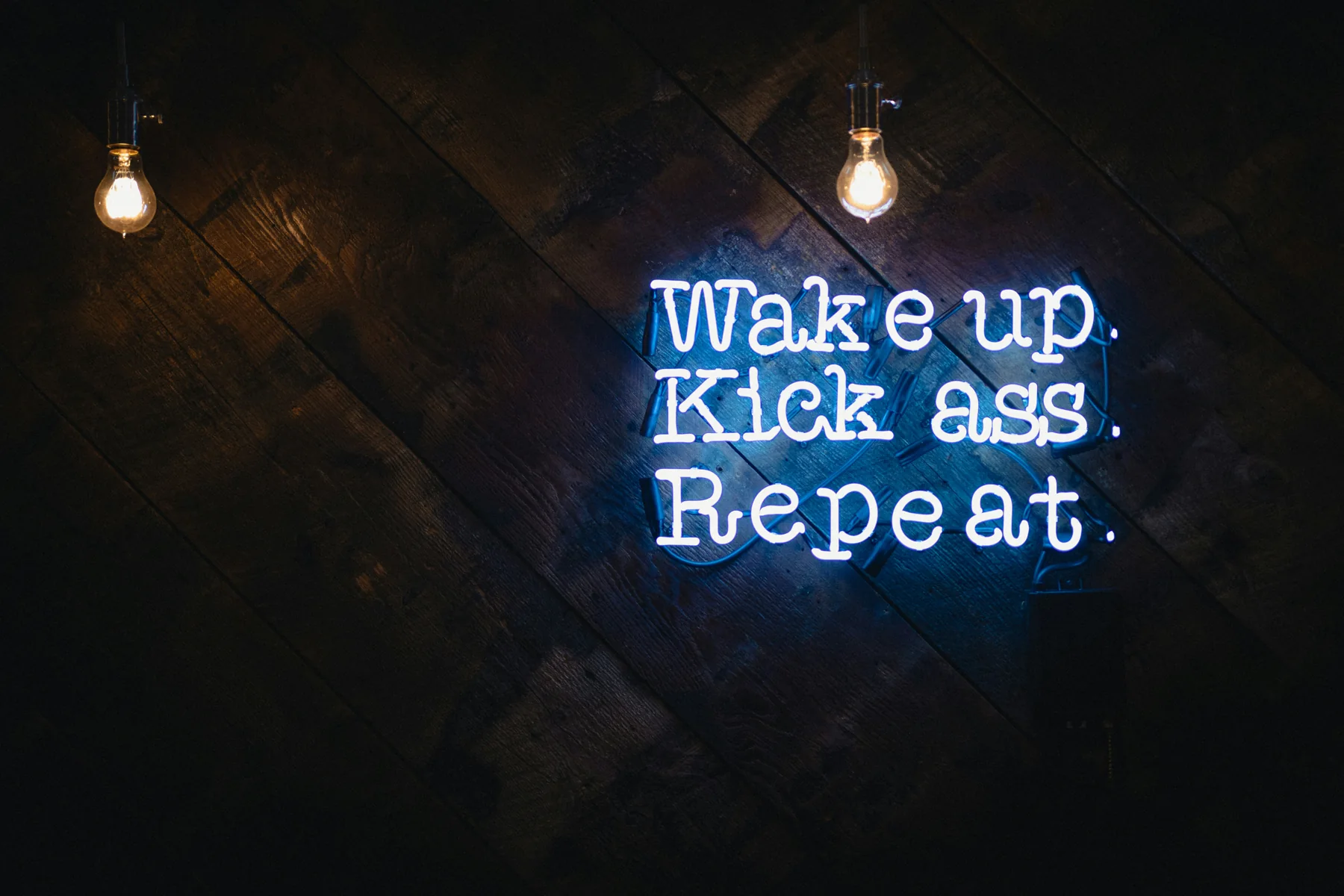
Motivation is a guest, not a roommate
Behavioral activation is a psychological strategy based on the principle that action precedes motivation. Instead of waiting to feel "ready" or inspired, this model encourages taking immediate, small steps to kick-start a cycle of progress.
Behavioral activation creates motivation through the following mechanisms:
-
Breaking the "Waiting" Cycle
Waiting for motivation often leads to decreased motivation over time. Behavioral activation addresses this by requiring you to stop waiting for a specific feeling and simply perform one small, manageable task—such as opening a document, sending one email, or folding a single shirt. Once you start, your brain often "catches up" to the activity. -
Generating Momentum and Accomplishment
The initial action serves as a catalyst for a positive feedback loop:- Kick-starting progress: Even a "micro-step" can generate the momentum needed to continue.
- Feelings of achievement: Completing a small task creates feelings of accomplishment, which then fuels the motivation to tackle the next task.
- Changing your "state": Taking action changes your internal state, and momentum naturally follows from that new state.
-
Reducing Uncertainty and Overthinking
Action provides benefits that passive thinking cannot:- Creating clarity: Often, it is the action itself that creates the clarity and confidence people wait for before starting.
- Gathering information: Every action creates new information, which reduces uncertainty and makes subsequent decisions easier.
- Quieting the mind: Starting a task helps stop the cycle of overthinking.
-
Building Identity and Systems
In the long term, behavioral activation helps shift your focus from fleeting feelings to consistent habits:- Identity formation: Repeatedly taking action, even when you don't feel like it, builds a new identity. You don't wait to feel like a writer to write; you write until you feel like a writer.
- Routines over motivation: Relying on systems and routines is more effective than relying on unpredictable bursts of motivation, as a system ensures the decision to act is already made.
In summary, behavioral activation suggests that motivation is a guest, not a roommate; it may show up eventually, but taking a small action is the most reliable way to invite it in.