How can I build a system that works without motivation?
To build a system that works without motivation, you must shift your focus from unpredictable feelings to predictable processes. Motivation is "a guest, not a roommate"—it shows up occasionally, but a system (or discipline) is what shows up every day.
Here is how to build a system that functions independently of how you feel:
1. Remove the Need for Daily Decision-Making
The primary strength of a system is that the decision is already made.
- Stop Negotiating: When you have a set routine, you don't wake up asking, "Should I do it today?".
- Identity-Based Standards: Shift your focus from "What should I do?" to "Who am I becoming?". Someone who identifies as "disciplined" does not negotiate with themselves; they simply follow the process because it reflects their identity.
2. Implement "Behavioral Activation" Through Micro-Steps
A system should rely on behavioral activation, the psychological principle that action precedes motivation.
- Lower the Barrier to Entry: Design your system to start with a "micro-step" so small it requires zero inspiration—such as opening a document, sending one email, or walking around the block.
- Action as a Catalyst: Once you start, your brain "catches up," and the action itself generates the momentum you were waiting for.
3. Audit Your Time and Dedicate Blocks
You can't build a system without a clear understanding of your available time.
- The 168-Hour Audit: Track your past seven days to see where your "free" hours (typically around 37 per week) are actually going.
- The 90-Minute Rule: Choose a single 90-minute block each day dedicated to intentional growth with "no negotiation". This consistent slice of time is more effective than random bursts of inspiration.
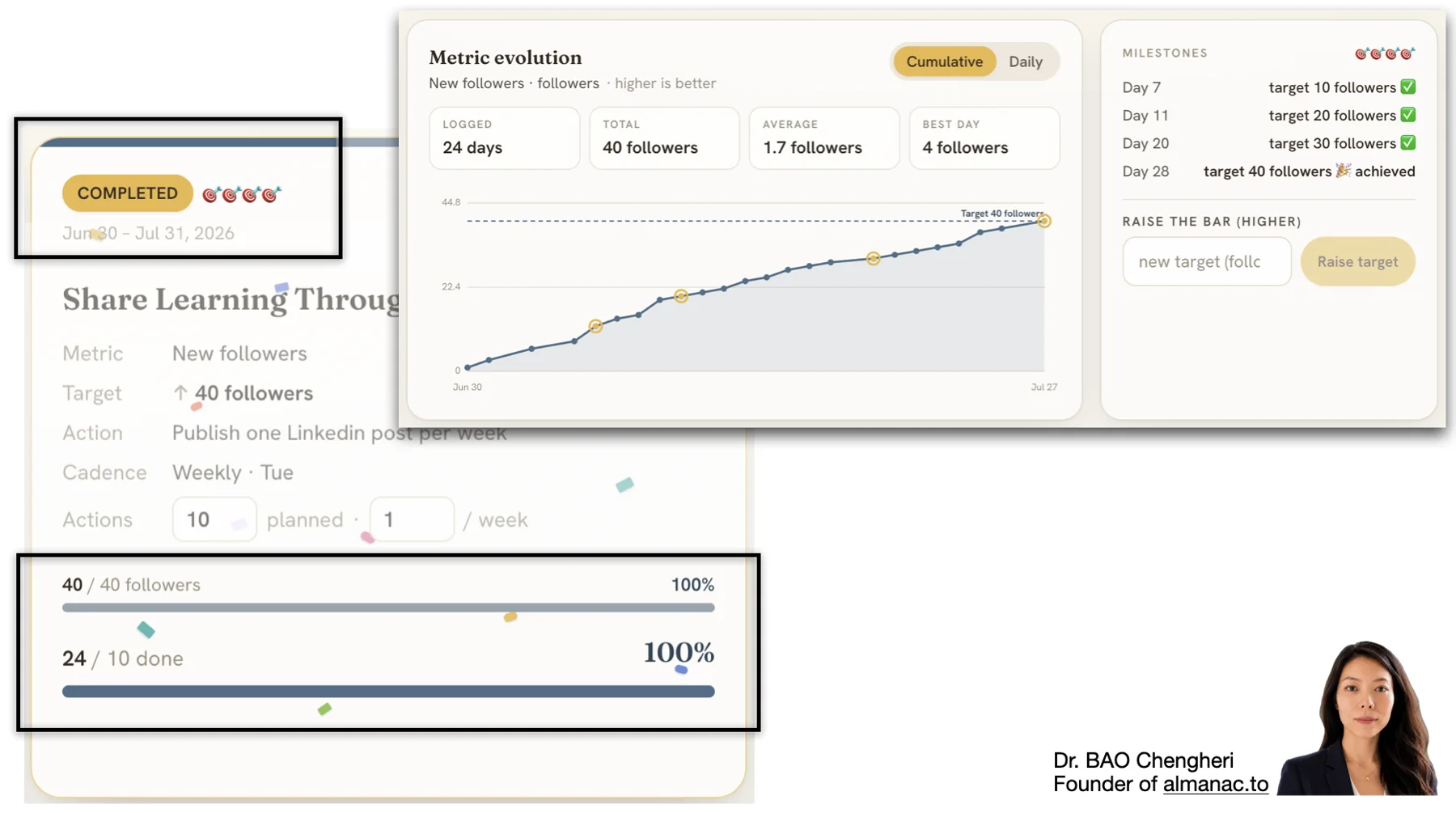
4. Make Progress Visible
Systems often feel like they aren't working because "feelings" of progress are subjective and unreliable.
- Measure, Don't Feel: Use tools to show—not tell—yourself that your habits are shifting.
- Visible Proof: When progress is unmeasured, it can feel like you aren't getting anywhere. Making progress visible (such as through a daily reflection or habit tracker) provides the "proof" the brain needs to stay committed.
5. Value "Hard Day" Repetitions
A robust system is built on the days you don't want to show up.
- The Real Reps: Anyone can work when they feel good; however, the "rep" that actually builds your character and reinforces your system is the one you do when you are tired or unmotivated.
- Consistency over Perfection: Consistency isn't about being perfect; it's about showing up even when motivation is absent. A 30-minute daily habit will consistently outperform random bursts of inspiration.
By building these components, you ensure that you are no longer "waiting for a bus that was never coming" (motivation) and are instead driving your own progress through a structured process.